
How to Replace a Toilet Seat — Step-by-Step Guide for Homeowners
Learn how to remove your old toilet seat, measure for the right replacement, and install a new one with basic hand tools in under 20 minutes.
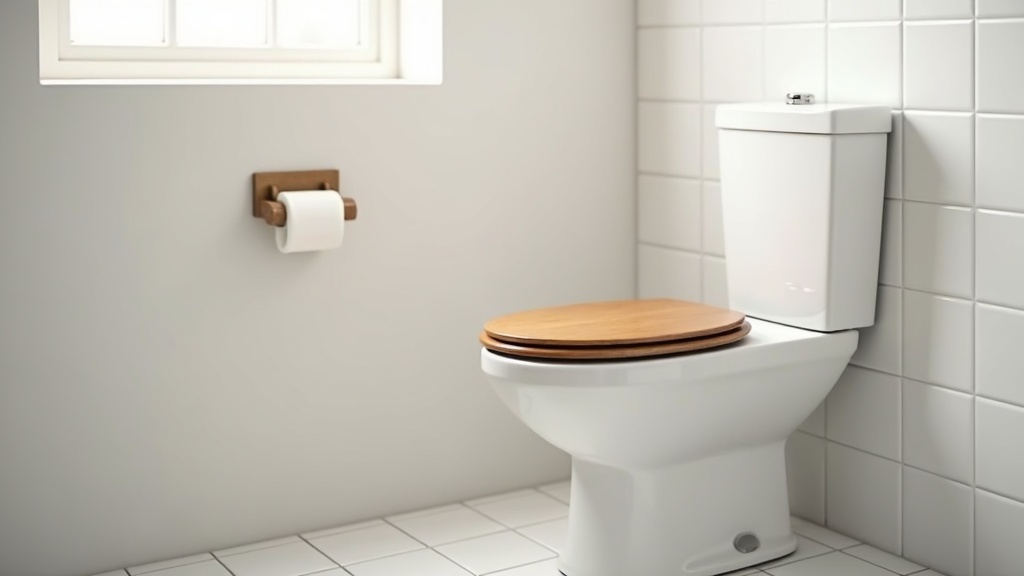
A cracked toilet seat is uncomfortable, unsanitary, and can even pinch or scrape. The good news? Replacing one is the fastest, cheapest DIY upgrade in any bathroom. You don’t need a plumber, you don’t need specialty tools, and the whole job takes less time than a shower.
This guide covers everything: identifying your seat type, measuring correctly, removing the old hardware (even if it’s rusted stuck), and installing the new seat so it stays put.
What you’ll need
- New toilet seat (buy the right shape — see step 2 below)
- Adjustable wrench or socket wrench (for stubborn nuts)
- Flathead or Phillips screwdriver (depending on your seat)
- Penetrating oil like WD-40 (optional, for rusted bolts)
- Rubber gloves (old toilet bolts are grimy — trust us)
Step 1: Check your toilet shape
Toilets come in two bowl shapes, and seats are not interchangeable between them. Buying the wrong shape means returning it and starting over.
Round bowl: The bowl is roughly circular, about 16.5 inches from the mounting holes to the front edge. Common in older homes and smaller bathrooms.
Elongated bowl: The bowl is oval, about 18.5 inches from mounting holes to the front edge. Standard in most modern homes and required by code in many new bathrooms.
How to tell: Stand over the toilet and look straight down. If the bowl looks like a circle, it’s round. If it looks like an oval or egg shape, it’s elongated. When in doubt, measure from the center of the mounting bolt holes to the front edge of the bowl.
Step 2: Remove the old seat
Lift the toilet lid and seat to access the hinge area at the back of the bowl.
Locate the mounting bolts — there are two, one on each side of the hinge. They may be hidden under plastic hinge caps. Pry these caps off with a flathead screwdriver.
Loosen the nuts with your screwdriver and wrench. Hold the bolt head steady from above while turning the nut below. If the nuts are plastic, they’ll usually loosen by hand.
If the bolts are rusted or won’t turn: Spray penetrating oil on the threads below the nut, wait 5 minutes, then try again. If they still won’t budge, use a hacksaw blade or oscillating multi-tool to cut the bolts between the hinge and the bowl.
- Once both nuts are off, lift the old seat and lid straight up and remove them. You may need to wiggle it slightly if the bolts are stuck in the hinge slots.
Step 3: Clean the mounting area
With the old seat gone, clean the back of the toilet bowl around the mounting holes. Mineral deposits, old wax, and grime build up under the hinge over years of use. A quick wipe with a damp rag and some all-purpose cleaner ensures the new seat sits flat and doesn’t rock.
Step 4: Install the new seat
Insert the new mounting bolts through the hinge slots in the new seat. Most seats come with bolts, washers, and nuts included.
Position the seat on the bowl so the bolts align with the mounting holes. Center it left-to-right.
Drop the bolts through the bowl holes from above. From underneath, slide the rubber washer and nut onto each bolt.
- Tighten the nuts by hand first, then give each one a snug quarter-turn with a wrench. Stop when the seat feels secure and doesn’t shift when you push on it.
- Snap the hinge caps back on (if your seat has them) to hide the hardware.
Step 5: Test it
Sit on the seat gently and check for:
- Wobble — if the seat rocks, tighten the nuts just a tiny bit more
- Shift — if the seat slides left-right, center it and re-tighten
- Rough edges — any sharp plastic flashing can be smoothed with fine sandpaper
Then test the lid and seat drop. Most modern seats have “slow-close” hinges — if your lid slams, check the hinge setting (some have a tension adjustment screw).
When to call a pro
- Cracked toilet bowl: If the porcelain itself is cracked where the seat mounts, a new seat won’t help. You need a toilet replacement.
- Stripped or damaged mounting holes: If the bowl’s mounting holes are chipped or broken, call a plumber to assess whether the toilet needs replacement.
- Seat still wobbles after tightening: This usually means the hinge or mounting bracket is warped, or the bowl surface is uneven. A different seat model may fix it — or the toilet flange itself may need attention.