
Best Oscillating Multi-Tools for Common Home Repairs
Compares homeowner-friendly oscillating tools by value, vibration control, and how well each platform supports common repair jobs.
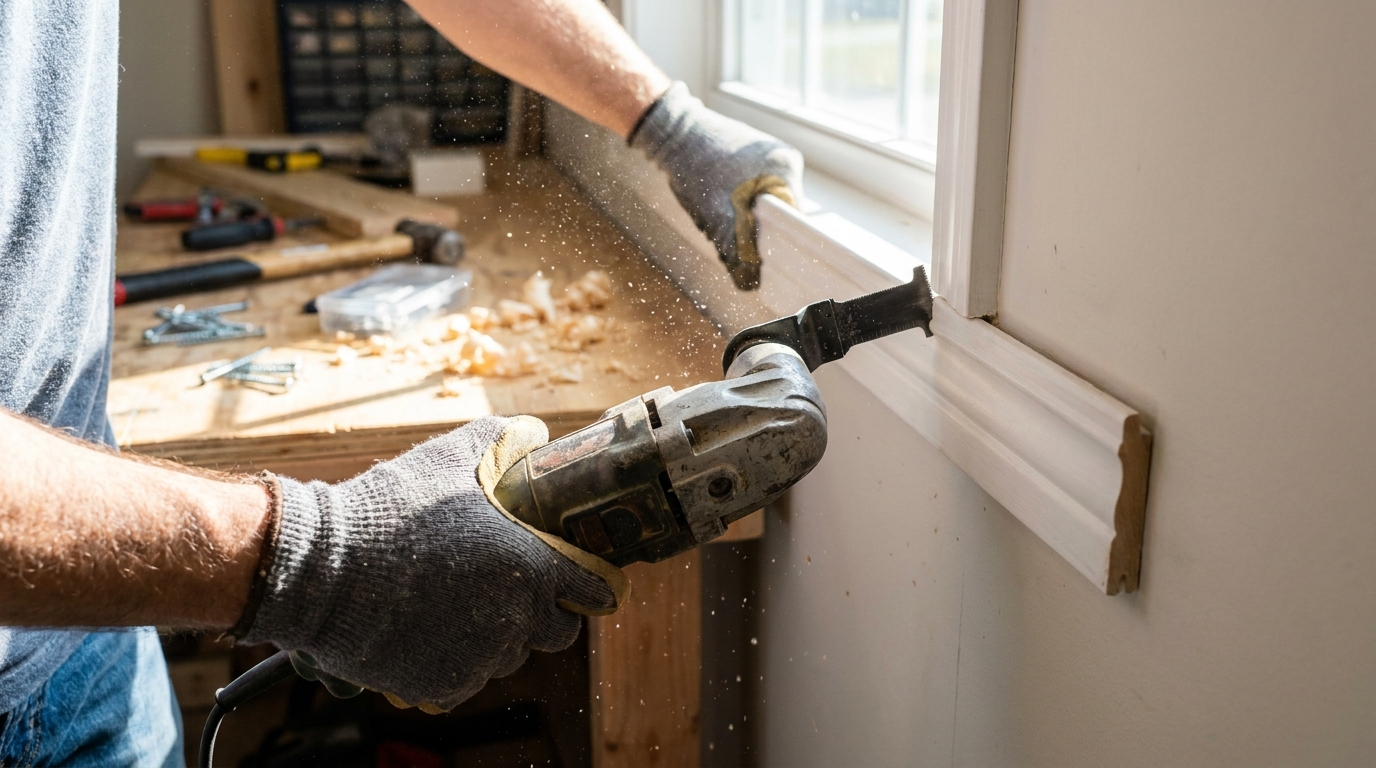
Why an oscillating multi-tool earns its keep fast
An oscillating multi-tool is one of those tools that feels optional until you own one. Then it starts solving jobs that are awkward with everything else. It can cut a nail flush, trim shims, scrape failed caulk, undercut trim, sand in corners, and make controlled plunge cuts where a circular saw or reciprocating saw would be overkill.
For common home repairs, versatility matters more than maximum raw power.
What to look for before you buy
Blade change system
If swapping blades is annoying, you will use the tool less. A quick and secure blade-change system matters more in real life than small spec differences.
Vibration and control
These tools are not fun when they buzz your hand to death. Better control helps with precise cuts around trim, drywall, flooring, and cabinet work.
Battery ecosystem
If you already own batteries in one platform, that often matters more than small performance differences. The right answer is often the tool line you can grow with.
Accessory availability
Blades wear out. If replacement blades are expensive or hard to find, ownership gets irritating fast.
Best overall for most homeowners
DeWalt 20V Max XR Oscillating Tool
This is the safe recommendation for homeowners who want one cordless multi-tool that feels capable right away. It handles plunge cuts, trim work, scraping, and light demo with enough confidence that most users will not outgrow it quickly.
Best if you want: a dependable all-around pick with wide retail support.
Best value for starter kits
Ryobi ONE+ HP Brushless Multi-Tool
Ryobi makes a lot of sense for first-time homeowners who want useful cordless tools without going too deep on budget. For everyday repair work like removing caulk, trimming shims, cutting drywall openings, or sanding patched corners, this tool usually delivers enough.
Best if you want: a lower-cost entry into a broad battery system.
Best compact option for tight spaces
Milwaukee M12 Fuel Oscillating Multi-Tool
This is a strong choice when control and size matter more than all-day heavy-duty use. It shines for cabinet adjustments, small drywall openings, under-sink work, and trim cuts where a larger tool feels clumsy.
Best if you want: a compact premium tool for precise repair work.
Smoothest feel for longer use
Makita 18V LXT Oscillating Multi-Tool
Makita tends to appeal to buyers who care about refinement. If you expect to use the tool for longer cutting or sanding sessions, smoother vibration behavior and comfort can matter a lot.
Best if you want: a more polished user experience and already own Makita batteries.
Which one should most homeowners actually buy?
Buy DeWalt if
- you want the easiest all-around recommendation
- you may expand into a stronger 20V platform
- you care about a broad accessory and retail ecosystem
Buy Ryobi if
- you are building a practical budget-friendly kit
- you want good enough performance for frequent small repairs
- total system cost matters more than prestige
Buy Milwaukee M12 if
- compact size matters most
- you do a lot of lighter interior repair work
- you value control in awkward spaces
Buy Makita if
- you already have Makita batteries
- comfort and smoother operation matter a lot
- you prefer a more refined tool feel over lowest price
Common home-repair jobs this tool handles well
- cutting out cracked caulk and old sealant at trim details
- trimming shims and flush-cutting nails or screws
- making drywall cut-ins for patch work
- undercutting door casing for flooring transitions
- sanding patched corners or tight detail areas
- removing brittle putty or adhesives without as much collateral damage
The mistake most homeowners make
Do not overbuy based on demolition fantasies. Most homeowners use this tool for controlled cuts and annoying detail work, not nonstop framing or big tear-outs. Blade quality often affects results more than jumping one price tier higher.
Related pages to help you choose and use it
- How to Repair a Sagging Fence Gate
- How to Patch Drywall Holes the Right Way
- Deck Board Replacement Cost Estimator
- Fence Repair Cost Estimator
Frequently asked questions
Is an oscillating multi-tool worth it for homeowners?
Yes. It is one of the most versatile tools for controlled cuts, scraping, trim work, and small repair jobs.
What is the best oscillating multi-tool for common home repairs?
For many homeowners, a balanced cordless option like the DeWalt 20V Max XR or a value pick like the Ryobi ONE+ HP is a strong place to start.
Are expensive oscillating multi-tools worth it?
Sometimes. Better tools can offer smoother vibration control, stronger blade clamps, and better comfort, but many homeowners do not need the top tier.
What can an oscillating multi-tool cut?
It can cut drywall, trim, wood, plastics, nails, some screws, caulk, and other light repair materials when matched with the right blade.
Which matters more, the tool or the blade?
For many jobs, the blade matters more. A good blade on a decent tool usually beats a bad blade on an expensive one.
| Product | Best for | Price band | Why it stands out |
|---|---|---|---|
| DeWalt 20V Max XR Oscillating Tool | Homeowners who want a balanced all-around cordless pick | $$$ | Strong blade-change system, broad availability, and dependable power for trim cuts, scraping, and small demo |
| Ryobi ONE+ HP Brushless Multi-Tool | Budget-minded users already building a Ryobi starter kit | $$ | Good everyday value with enough performance for caulk removal, plunge cuts, and sanding touch-ups |
| Milwaukee M12 Fuel Oscillating Multi-Tool | Tight spaces, punch-list work, and lighter one-handed use | $$$ | Compact premium option with excellent control where a full-size tool feels bulky |
| Makita 18V LXT Oscillating Multi-Tool | Users who care most about refinement and vibration control | $$$$ | Smooth operation and a more polished feel during longer repair sessions |